ROAD SCHOLARS WE TRAVEL TO YOU
JOIN US AND DISCOVER the wonderful world of raptors. Our programs include live birds of prey, an engaging PowerPoint presentation, and an assortment of "touchable" artifacts that are woven together into a compelling story about life in the wild.
All our birds are considered "unreleasable". This means they could not survive in the wild if we were to let them go. In addition, we have obtained permits from the federal & state governments to take care of these birds and to show them to people in our educational programs
Programs are suitable for children and adults alike, are offered weekdays and usually last about an hour.
To book a program or request additional information please call 978-486-3376 (Monday to Friday 9:00 am to 4:00 pm) or email wowprograms@yahoo.com
For fees, program guidelines, and additional information:
[Click Here]
|
+ FOR K TO 2ND GRADE
|
|---|
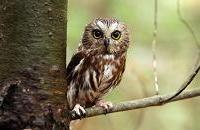 Habitat (in development)
Grades K-2
Discover where raptors live and how they have adapted to a wide range of habitats: from the Arctic tundra to the alpine meadows.
Learning Standard: Adaptations of Living Things
|
|
|---|
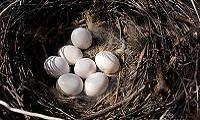 Life Cycle of Raptors
Grades K-2
A brancher is a baby owl that can survive outside the nest but still needs
its parents to feed it. Learn about the changes Raptors go thru as they journey
from an egg to an adult.
Learning Standard: Characteristics of Living Things
Pre-visit Activity [Download]
Post-visit Activity [Download]
|
|
|---|
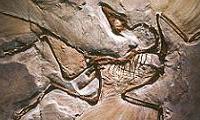 The Fossil Record (in development)
Grades K-2
The oldest known bird fossils were unearthed in China in 2006. Learn the story they tell of the carnivorous dinosaur's transformation into the raptors of today.
Learning Standard: Evolution & Biodiversity
|
|
|
+ FOR GRADES 3-5
|
|---|
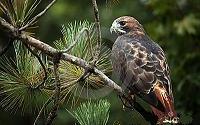 Habitat (in development)
Grades 3 to 5
Discover where raptors live and how they have adapted to a wide range of habitats: from the Arctic tundra to the alpine meadows.
Learning Standard: Adaptations of Living Things
|
|
|---|
Life Cycle of Raptors
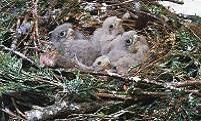 Grades 3-5
A brancher is a baby owl that can survive outside the nest but still needs
its parents to feed it. Learn about the changes Raptors go thru as they journey
from an egg to an adult.
Learning Standard: Structures and Functions
Pre-visit Activity [Download]
Post-visit Activity [Download]
|
|
|---|
The Web of Life (in development)
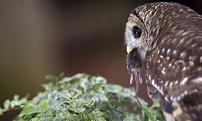 Grades 3-5
A Barred Owl will eat almost 17,000 mice in its lifetime, yet the population of mice is never depleted! Discover the dynamic balance of species interaction in a process known as "The Web of Life".
Learning Standard: Energy and Living Things
|
|
|---|
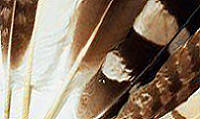 Wampanoag Indians (in development)
Grade 3
Only the bravest Wampanoag warriors were allowed to wear the Eagle tail feather. Discover the respect these birds commanded in a culture that viewed all life as sacred.
Learning Standard: Describe the Wampanoag Way of Life
|
|
|---|
Adaptations
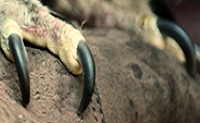 Grades 3-5
Kestrels hunt in open territory by hovering in the air, looking for prey on the ground below. Explore the adaptations that make raptors the most efficient winged predators in the world.
Learning Standard: Characteristics of Plants & Animals and Adaptations of Living Things
Pre-visit Activity [Download]
Post-visit Activity [Download]
|
|
|---|
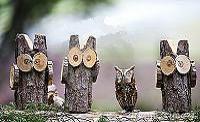 Art on the Wing (in development)
Grades 3-5
Since hunters first painted on the walls of caves, art has helped define who we are. Explore the ways raptors have been depicted in art and create two original works using live birds as models.
Learning Standard: Methods, Materials, and Techniques, Elements and Principles of Design, Observation, Abstraction, Invention, and Expression
|
|
|
+ FOR ALL OTHER GROUPS & SPECIAL EVENTS
|
|---|
Please contact us to see if our programs would be suitable for your group: scouts, after-school programs, home schools, etc.
|
|
+ BOOKING INFORMATION
|
|---|
|
Fee: $450 (or 2 programs back-to-back for $800)
* The program fee covers travel expenses, teacher's salaries, and care of the birds.
Download Our Brochure: [Click Here to Download]
|
|
|
+ PROGRAM GUIDELINES
|
|---|
How to Prepare for Our Visit
- Please let everyone know about the following safety guidelines. These are designed to help make the birds feel at home.
- Please use quiet voices
- Please move slowly i.e. no jumping or running
- Please try to keep at least 5 feet away from the birds
- Please provide 2 sturdy tables (appx. 2' x 5')
- Please arrange the room for a Powerpoint presentation
- The room should be large enough to accommodate both our equipment and a place for the audience to sit. The first 10-15 feet from the front wall will be needed to set up our projector and screen. The first row of seating can begin after this.
- It is best if the room can be darkened, a least a little. The PowerPoint shows up substantially better the darker the room is.
- We will also need an outlet for our PowerPoint setup.
|
|

